
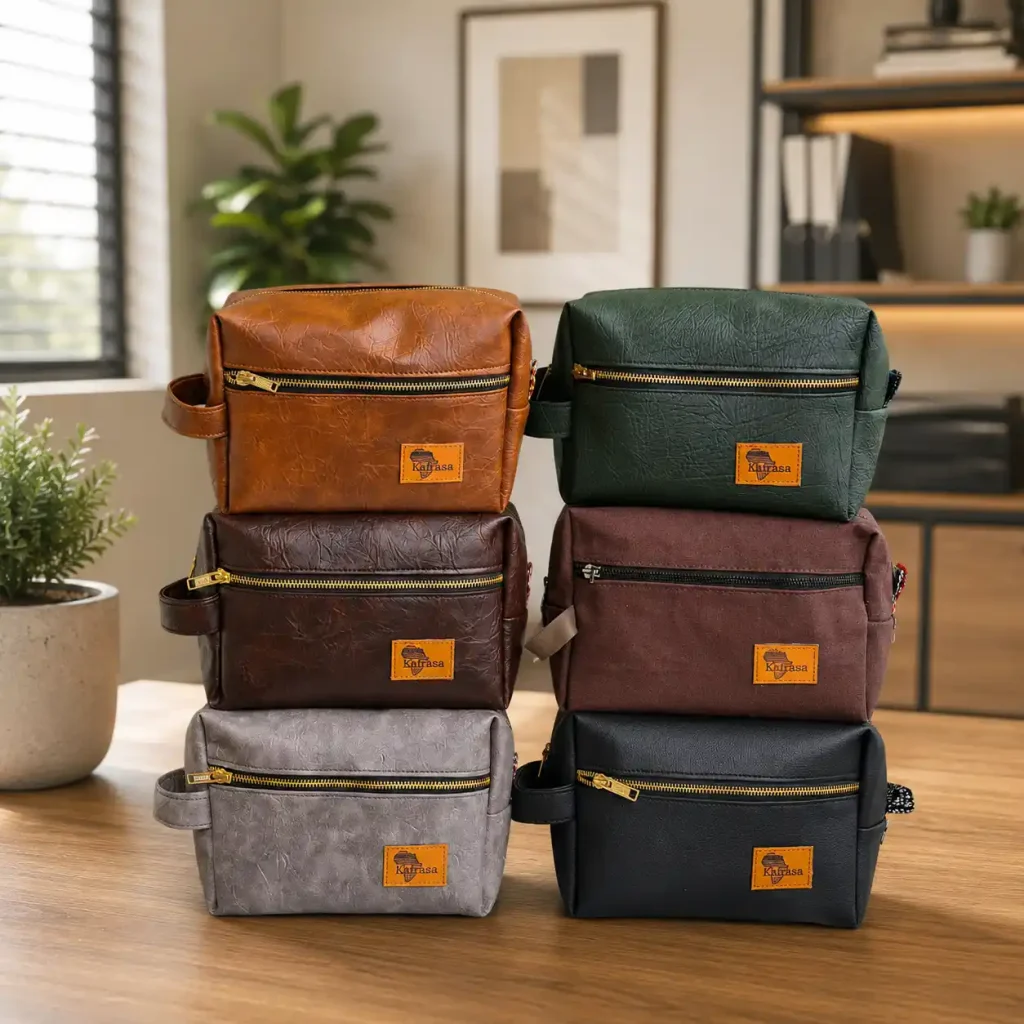
Opening your toiletry or duffel bag after a long journey only to discover that a bottle of shampoo or aftershave has exploded over your clean clothing can be a very frustrating. You could be a victim of such travel mishaps due to fluid leaks during transit that may result from atmospheric pressure changes, rough baggage handling, temperature fluctuations, and poorly secured bottle caps. However, systematic packing helps you from becoming a victim by turning your toiletry bag into a secure, spill-proof barrier. This practical guide breaks down essential bottle preparation steps, smart container choices, internal compartmentalisation, and routine maintenance to keep your grooming products contained and your travel gear spotless.
The Golden Rules of Spill-Free Toiletry Packing
-
Decant Liquids into Travel-Sized Containers: Transfer full-sized shampoos, body washes, and lotions into flexible silicone or plastic travel bottles under 100 ml.
-
Leave Air Headroom: Never fill liquid containers to the brim. Leave approximately 10% to 15% empty space at the top of every bottle to absorb air expansion caused by altitude or temperature shifts.
-
Double-Seal Threads with Plastic Film: Unscrew bottle caps, stretch a small piece of cling film over the neck, and screw the cap back on tight before packing.
-
Group Liquids in Water-Resistant Compartments: Keep all liquid-bearing containers isolated inside a dedicated, wipeable washbag rather than packing them loosely among fabrics.
Toiletry Container & Material Comparison
Selecting the right container materials and closure types drastically reduces the risk of accidental leaks during transport.
| Container / Seal Type | Leak Risk Level | Primary Advantage | Best Suited For |
|---|---|---|---|
| Original Retail Bottles (200ml+) | High | No decanting required; cheap | Home storage only; prone to popping under pressure |
| Rigid Screw-Cap Plastic Bottles | Moderate | Durable walls; firm seal | Mouthwash, alcohol-based toners, liquid antiseptics |
| Squeezable Silicone Tubes | Low | Elastic body absorbs pressure; easy dispensing | Dense shampoos, conditioners, body lotions, gels |
| Pump-Dispenser Bottles (Unlocked) | Very High | Easy one-handed home use | Avoid during travel unless fitted with a physical clip lock |
| Double-Sealed Zip-Top Pouches | Lowest (Containment) | Provides secondary spill containment layer | Housing all decanted liquid bottles inside the washbag |
Preparing Liquid Containers Against Air Pressure & Impacts
Air pressure drops significantly when driving through high-altitude terrain or flying. Trapped air inside a sealed plastic bottle expands against the interior walls, forcing caps open or driving liquid through tiny nozzle openings.
Step-by-Step Air Pressure Spill Prevention Protocol
-
Decant into Travel Sizes: Transfer products from bulky commercial bottles into compact, travel-friendly containers under 100 ml.
-
Maintain Expansion Gaps: Always leave 10% to 15% air space at the top of each container so expanding air does not push fluid past cap seals.
-
Apply Thread Gaskets: Wrap cling film over bottle neck threads before tightening lids down.
-
Encase in Leakproof Bags: Place decanted bottles inside a secondary zip-top pouch for dual-layer leak containment.
The Cling Film Thread Seal
Before packing any liquid-bearing bottle, unscrew its lid completely. Place a small square of plastic cling film directly over the threaded plastic neck, then screw the cap back down firmly over the film. The plastic layer fills tiny gaps in the thread tracking, creating a watertight gasket that prevents fluid from seeping past the cap threads even if the flip-top snaps open slightly.
Locking Pump Dispenser Mechanisms
Grooming products like facial cleansers and body oils frequently use push-down pump heads. In a packed bag, pressure from adjacent clothing can accidentally depress the pump nozzle. Always engage the twist-lock mechanism until the pump head retracts fully, or slide a plastic travel guard clip beneath the nozzle neck to prevent downward movement during transit.
Organising Cosmetics and Grooming Tools Efficiently
Spill prevention is only half the battle; proper spatial organisation prevents sharp grooming tools from puncturing liquid tubes or cracking glass cosmetic jars.
Internal Washbag Zoning Layout
-
Left Zone (Dry Solids): House solid toiletries including stick deodorants, bar soaps, solid colognes, and cotton swabs.
-
Centre Zone (Sealed Liquids): Position double-sealed liquid containers vertically so cap seals face upward.
-
Right Zone (Grooming Implements): Secure grooming tools like razors, nail clippers, safety shears, and hair combs in protective sheaths.
Separate Liquids from Dry Grooming Solids
Divide your items into two functional groups: wet liquids and dry solids.
-
Dry Solids: Bar soaps, stick deodorants, hairbrushes, solid perfume compacts, and dry tweezers do not pose liquid spill risks. Place these in secondary side pockets or along the outer perimeter of your toiletry bag.
-
Wet Liquids: Group all liquid bottles, toothpastes, gels, and creams together in the central main compartment, ideally standing upright.
Sheathe Sharp Grooming Implements
Safety razors, cuticle scissors, and metal tweezers can easily pierce soft plastic squeeze tubes or tear internal bag linings when bouncing around during travel. Always cover razor heads with protective plastic guards or store sharp tools inside a small, rigid accessory pouch before placing them in your washbag.
Choosing a Washbag Built for Spill Protection
Even with meticulous bottle prep, having a toiletry bag constructed from liquid-resistant materials provides an essential safety net.
-
Wipeable Synthetic Lining: The interior of your washbag should feature a smooth, non-porous lining. If a small cap loosens, a wipeable lining catches the fluid and allows you to clean the mess in seconds using a damp cloth without liquid soaking through to your main travel duffel.
-
Firm, Structured Base: A washbag with a flat bottom panel stays upright on bathroom counters and hotel vanities, keeping internal bottles vertical and reducing pressure on cap seals.
-
Durable Outer Shell: High-grade synthetic leather or treated heavy canvas shields your toiletries from external moisture on wet counter surfaces while giving the bag a refined profile.
Post-Trip Cleaning and Long-Term Care
To maintain your toiletry bag in pristine condition across years of travel, practice regular post-trip maintenance:
-
Unpack Immediately: Never store a packed toiletry bag long-term. Trapped moisture from damp toothbrushes or washcloths can create stale odours or damage internal linings.
-
Wipe Down Interior Surfaces: After every trip, wipe the interior lining with a damp cloth and mild soap to remove residue from powder dust, toothpaste splatters, or soap films.
-
Air Dry Fully: Leave all zippers fully open and allow the washbag to air-dry completely in a well-ventilated, shaded space before storing it in your closet.
-
Inspect Container Threads: Check travel bottles for hairline cracks or worn screw threads before packing them for your next trip.
Frequently Asked Questions
How do I stop toiletries from leaking when I travel?
Squeeze a little air out of soft bottles before closing them, place a small piece of cling film under each cap, then close them tightly. Pack liquids upright together in one compartment away from dry items, and use a washbag with a wipeable lining so any small leak stays contained.
Can I carry my toiletry bag in hand luggage?
Usually, yes, but airlines and airports limit liquids in hand luggage, typically to small containers that fit in one clear resealable bag. The rules differ between airlines and airports, so check before you travel and pack larger bottles in your checked luggage.
How do I clean my washbag after a trip?
Empty it completely, wipe the lining with warm water and a little mild soap, then leave it open to dry fully before storing it. For a synthetic leather washbag, wipe the outside with a damp cloth. Never store it damp or zipped up with wet items.
Travel with Total Peace of Mind
Organising cosmetics and grooming products does not have to involve messy clean-up or ruined wardrobe items. You can travel confidently knowing your gear is protected. All you need to do is decant liquids into travel-sized bottles, leave room for air expansion, double-seal container threads, and choose a structured, wipeable washbag.
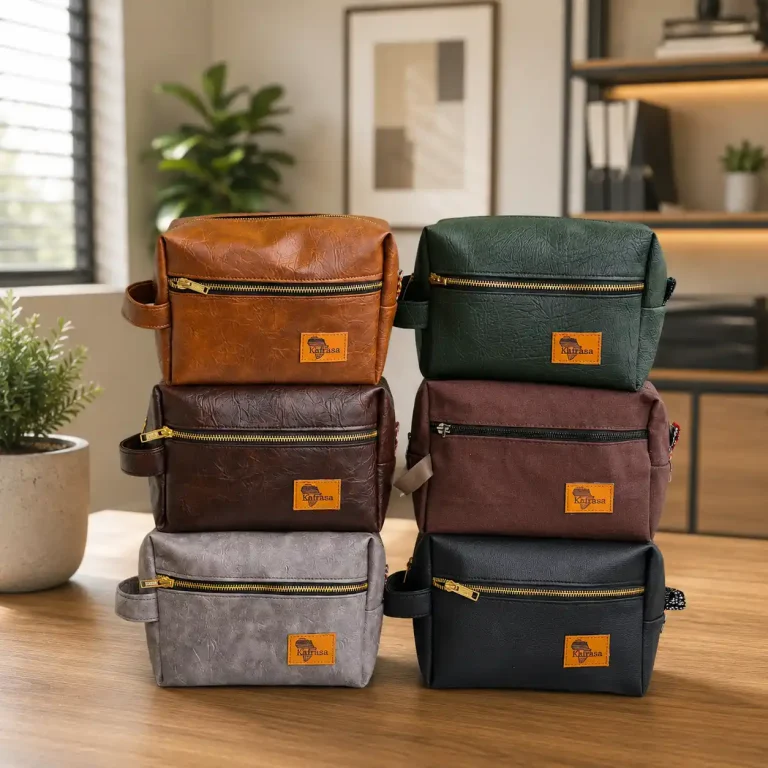
Looking for a durable, handcrafted washbag built for daily use and travel? Explore the Kafrasa Toiletry Bag Range or contact our Nairobi workshop via WhatsApp to inquire about custom dimensions, material options, and corporate gift orders.
Ready to get yours? Every Kafrasa bag is handmade to order in Nairobi in quality synthetic leather, canvas and African print.
- Kafrasa Washbag/Toiletry Bag — Utility Bags